
Your Custom Text Here
The Kitchen at Camont and the Art of Charcuterie
Leg 2 of my Culinary Journey is down and it was a crazy, busy week. I am still on the road, but I wanted to give everyone a short recap of the week. Don't worry, I will revisit this subject in depth when I have a bit more free time.
Renzo Girabaldi, one of my butchering idols, was quoted saying,
"If you want to learn to surf, you go to California. If you want to learn charcuterie, you go to France."
Thus, I made the journey to France for a week long advanced charcuterie class with the culinary master, Kate Hill. Kate is an expat, who has called the Southern French countryside her home for the past thirty years. In the culinary world, she has done it all - a professional cook, a published author, a teacher and a consultant. At one point, Kate even bought a French barge where she hosted magnificent dinner parties abundant with fabulous foods and the best of wines.

Kate Hill working on a pâté en croute.
For this particular charcuterie class, Kate teamed up the Chapolard family and long-time friend, Dominic Chapolard, who runs a local organic pork and charcuterie farm. To further enhance the educational value of the course, Kate enlisted the help of Dr. Michele Pfannenstiel, the guru of food safety and HACCP (Hazard Analysis and Critical Control Points).
Ok, I realize I probably lost you there.
Essentially, HACCP is a systematic preventative approach to ensure your food is contamination free of physical, chemical, or microbiological hazards. And in the charcuterie game, where you dry and cure meat anywhere from a month to a couple of years, HACCP procedures are pretty important. If you don't follow every step with extreme caution and care, you might end up with a ham full of harmful pathogens instead of a scrumptious Noix de Jambon.
The class was small and exclusive with only two fellow students, Ben and Tyllan. Ben is a good ol' mate and third generation butcher from Australia. He recently took over his father's butcher shop, The Beef Joint. Ben signed up for the class so he could incorporate a charcuterie program into his offerings and market delicious cured meats to the people Down Under.
Tyllan is on the other side of the business, selling acorn-fed pork. His company, Walden Hill, is feeding New England top-notch pork infused with incredibly flavorful fat that comes from hand-picked acorns. The three of us made for one hell-of-a butchering trio and I was extremely blessed to be among this group.

My charcuterie class with master butcher, Dominique Chapolard.
Our accommodations and classrooms were stuff dreams are made of. Most of the work took place on the Chapolard's farm or at Kate's residence, The Kitchen-at-Camont. In our downtime, Ben,Tyllan, and I were housed at the Château de Mazelières a French castle built in the 17th century. It boasted a Lebanese Cyprus tree, brought back by Crusaders from their travels in the Middle East. We chided Kate we would have learned charcuterie in half the allotted time if our accommodations hadn't been so nice!
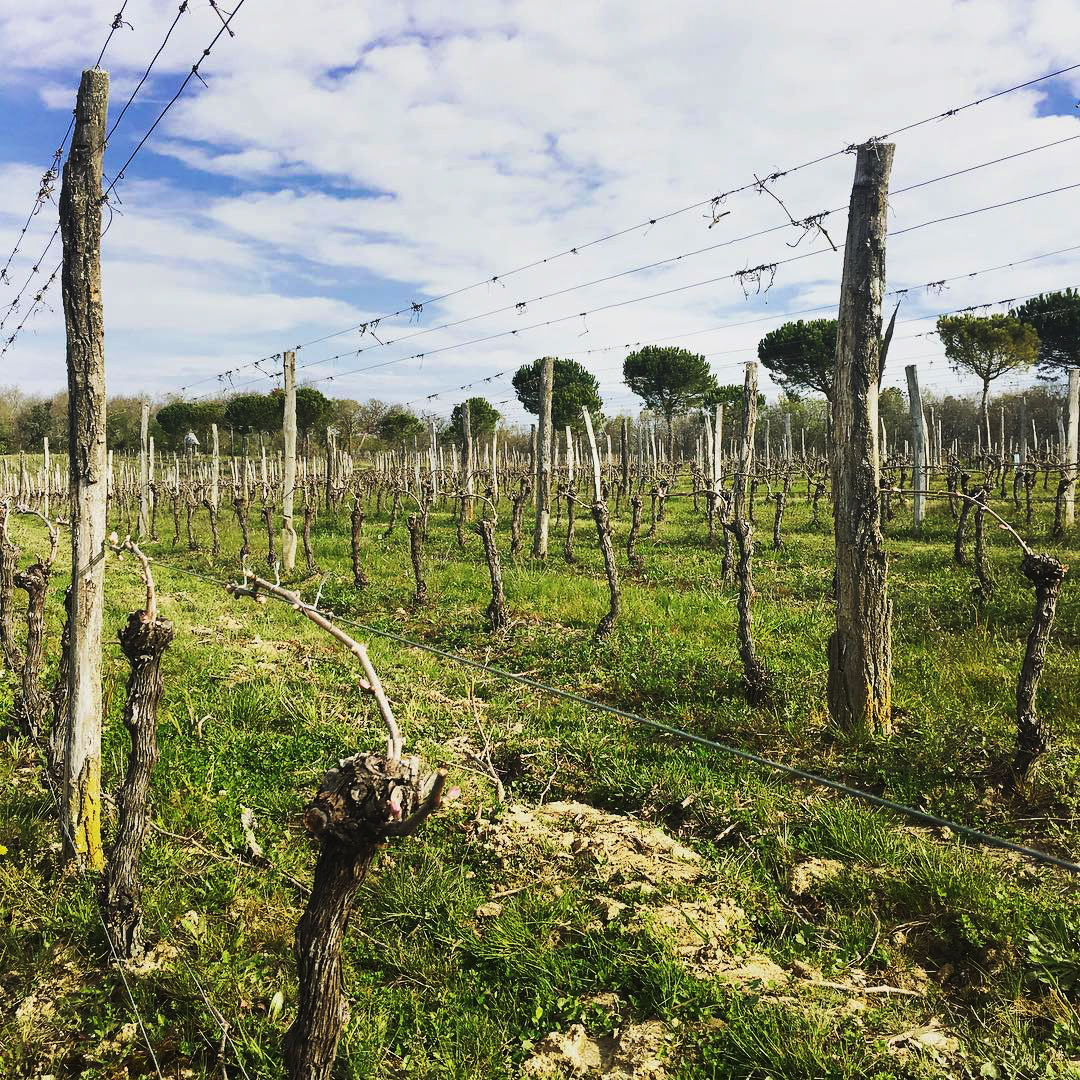
Grape vines at the Château Mazelières.

Château Mazelières
To start the course out, we began with an introduction to HACCP. Luckily, this wasn't my first go-around with the tricky food safety beast -I actually became HACCP certified last summer down in Aggieland (College Station, Texas). At times, all this information is a tad overwhelming and confusing, but if you want to make great, and more importantly SAFE charcuterie, you need to know this stuff. Luckily, Dr. Pfannenstiel is the best in the HACCP business, and by the end of the week, I had a much better grasp on food safety.

HACCP class is in session!
On the second day, we set out to visit the Chapolard farm. Dominic, the eldest of the four Chapolard brothers, is a former headmaster turned head butcher. He prides himself in growing organic non-GMO grains to exclusively feed his entire pork operation.


Pigs at the Chapolard farm.

Dominic gave us a short tour of their charcuterie production facility and when the truck with the freshly slaughtered pork carcasses arrived, Dominic showed us how he broke down the pork side best suited for his charcuterie needs. He ended the day by teaching us how to make blood sausage.
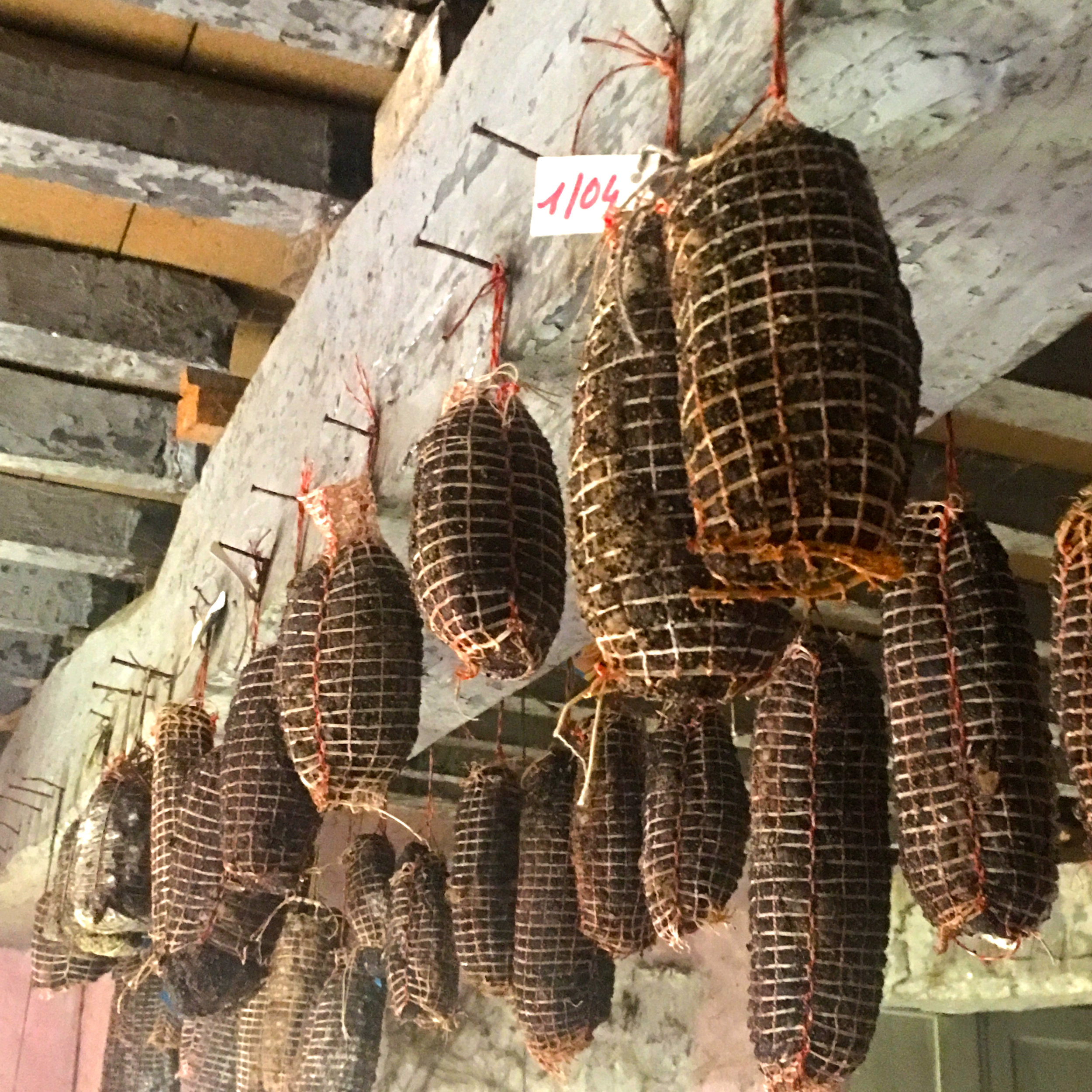
Charcuterie aging in the attic of the Chapolard home.
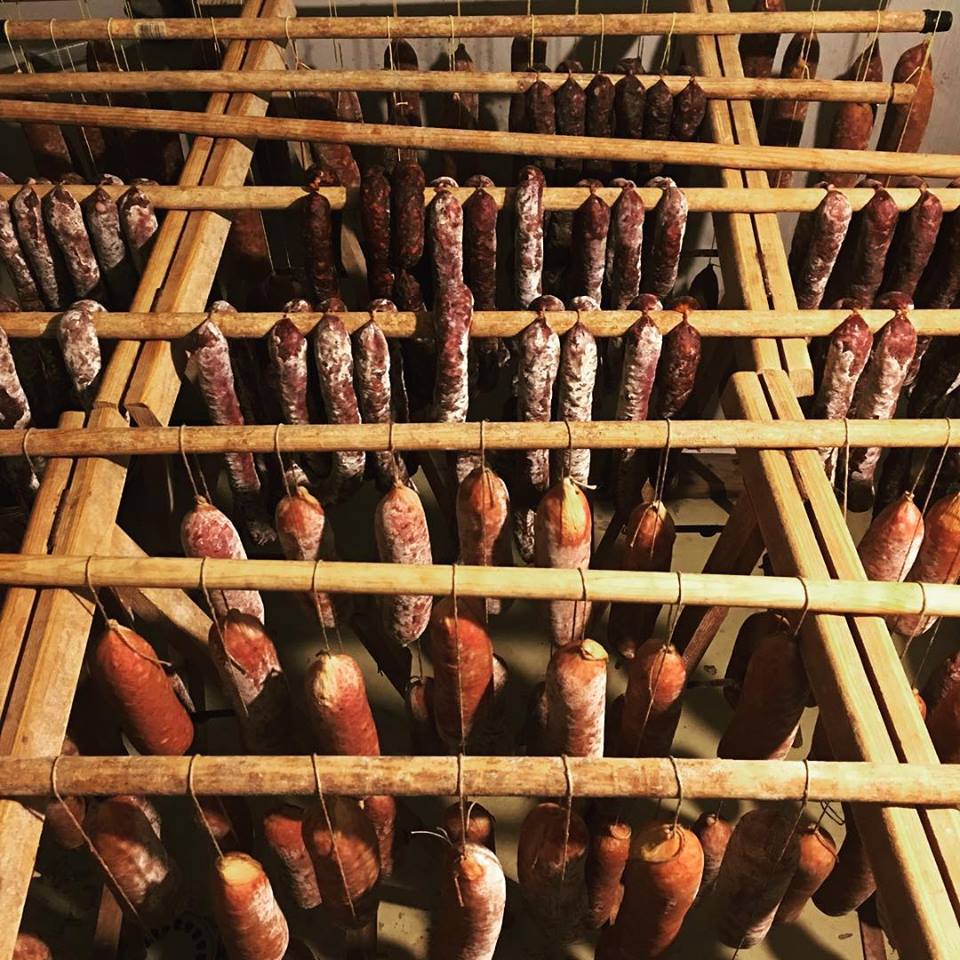
Saucisson curing in the Chapolard facilites.
Over the next few days, each piece of our Chapolard pig was slowly transformed into some form of traditional French charcuterie:
- Saucisson (sausage)
- Saucisse séche (dry sausage)
- Noix de Jambon (small, boneless cold-smoked hams)
- Ventrèche (rolled pork belly)
- and Coppa (neck muscle from the Boston Butt)

Dominique showing us caul fat.

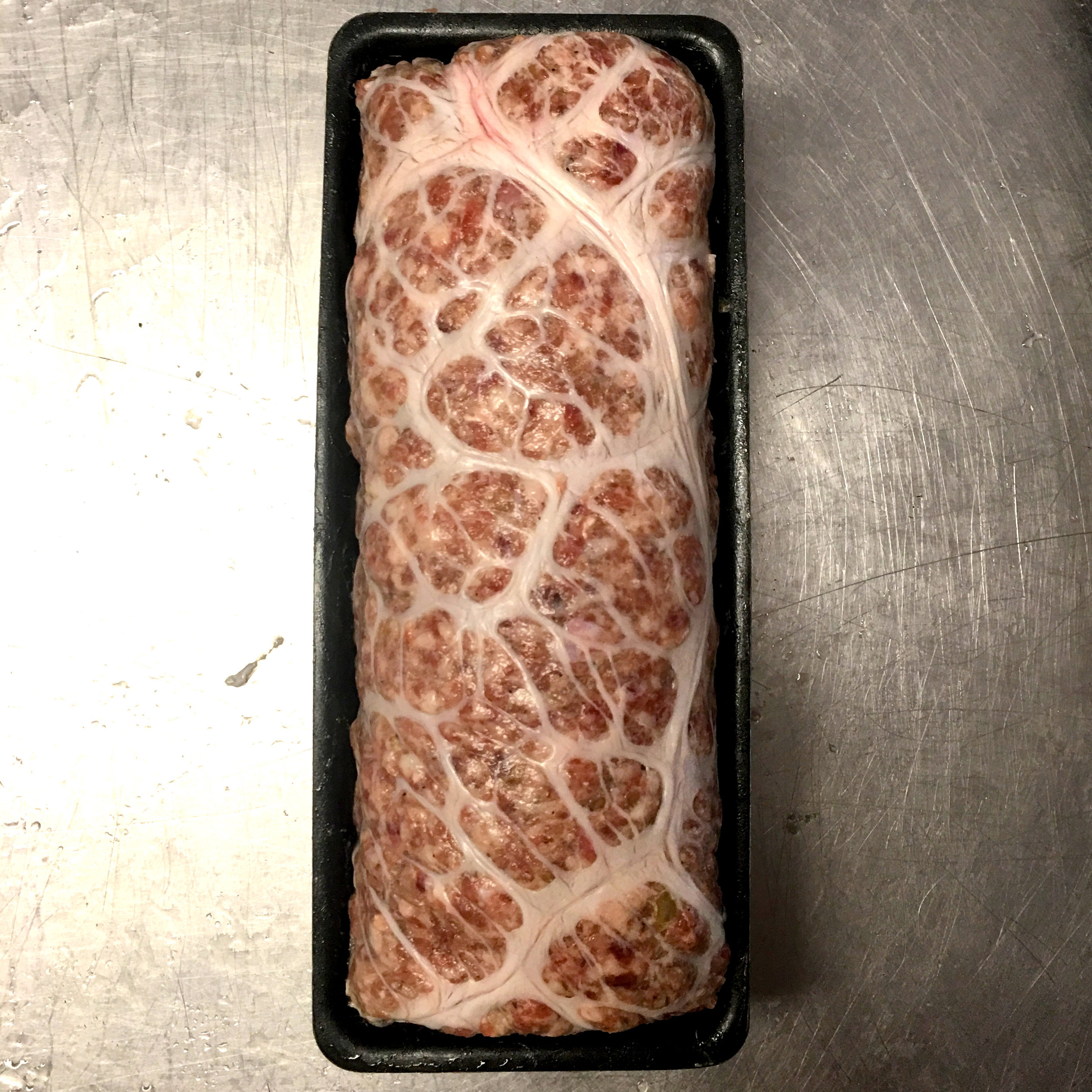
After the larger pieces had been made and laid to cure, we took the remaining odds and ends and turn them into pâté and rillettes.
I made one amazing Texas pâté, if I might say so myself!

It took me a little bit longer to complete my pate, but I'm sure you can see why.
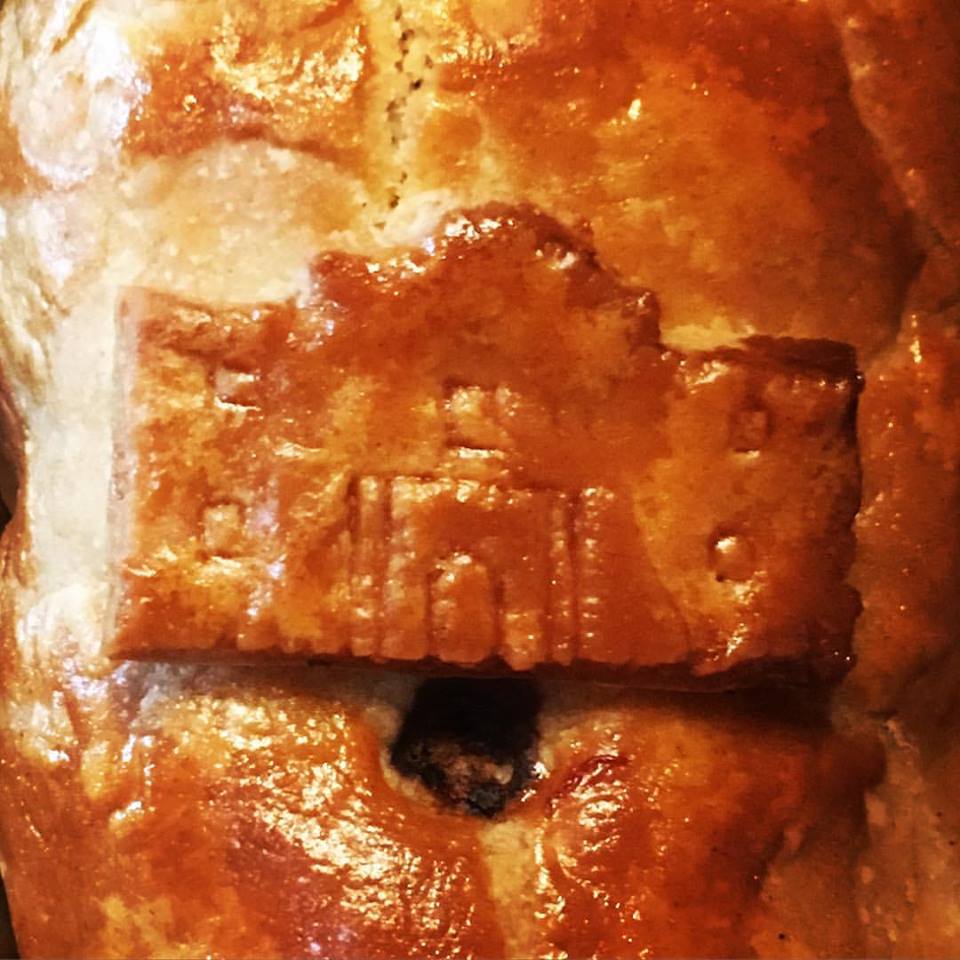
Final product turned out pretty decent - I recognize that shape!
We even went as far as to render down pork lard. That's what I like about charcuterie - it puts the entire animal to use.
Later in the week, we visited the Laverdac Market where the Chapolard family sells all their production. Their pork and by-products are highly regarded and sought after in the area so they sold out quickly.

Fresh Mushrooms at the market.
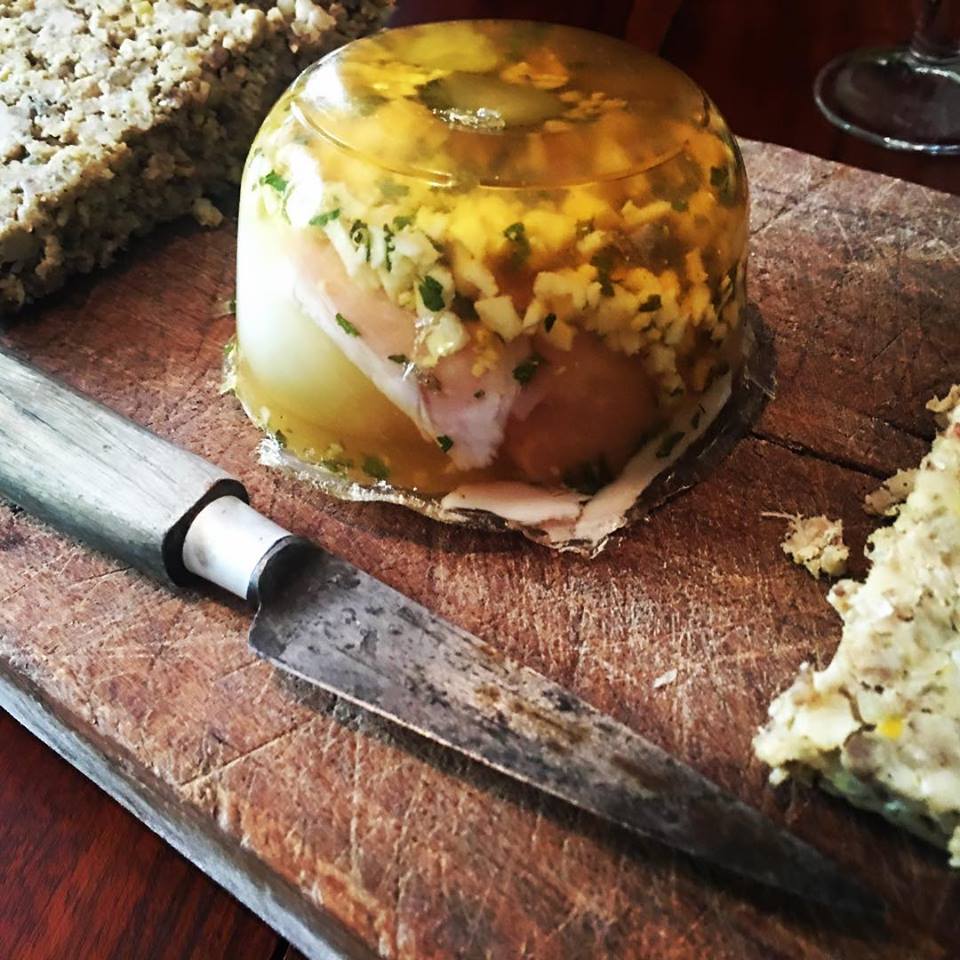
My week with Kate Hill and her French Charcuterie class was an incredible week that I wish didn't have to end. I made some incredible new friends, learned to make incredible cured meats, and packed an incredible amount of HACCP knowledge into my brain! We ended the week with a typical champagne toast and requisite group pictures.
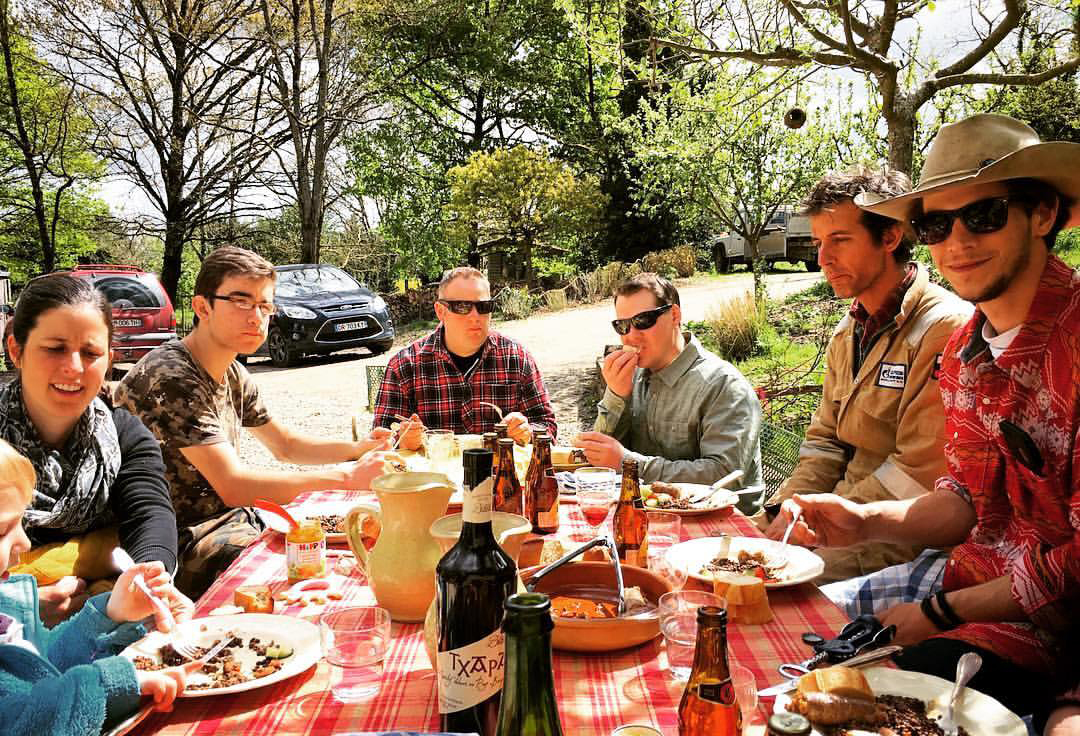
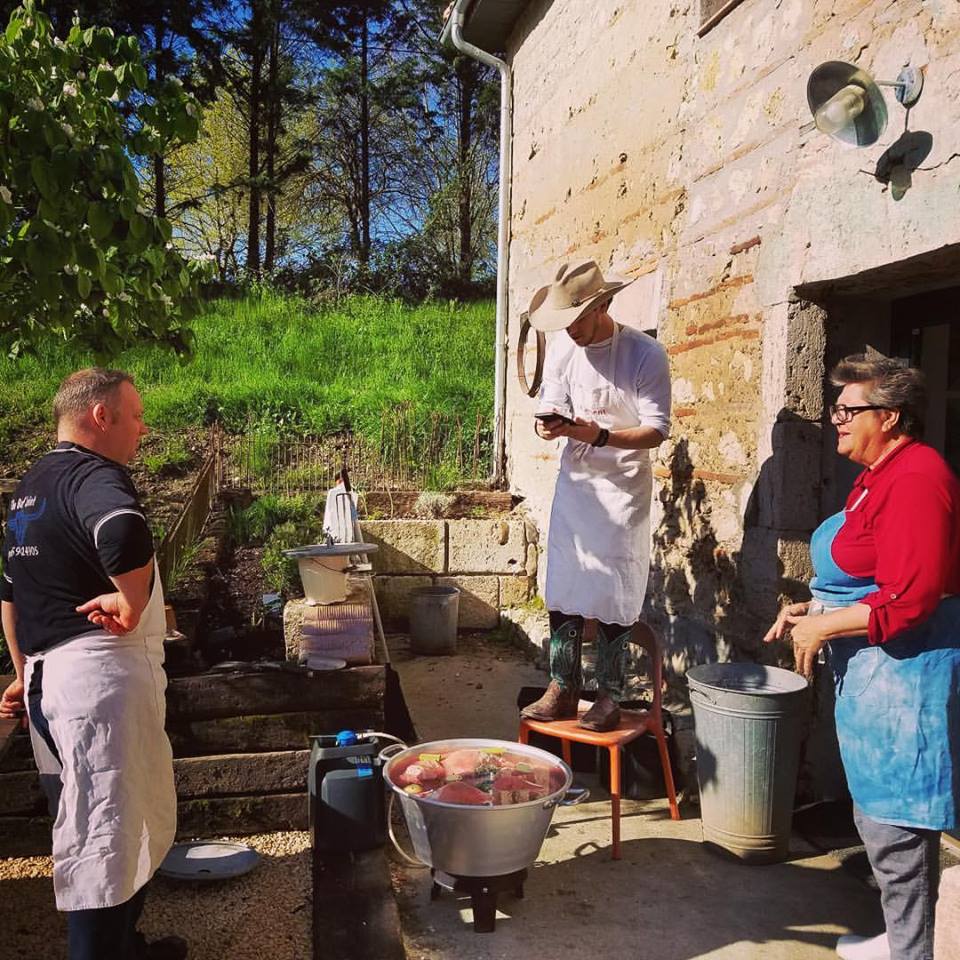
Getting my pictures in
So with my second goal accomplished and to officially close this chapter of my culinary adventure, I got Kate to autograph my topper.
God is good.
Next stop, Panzano Italy!
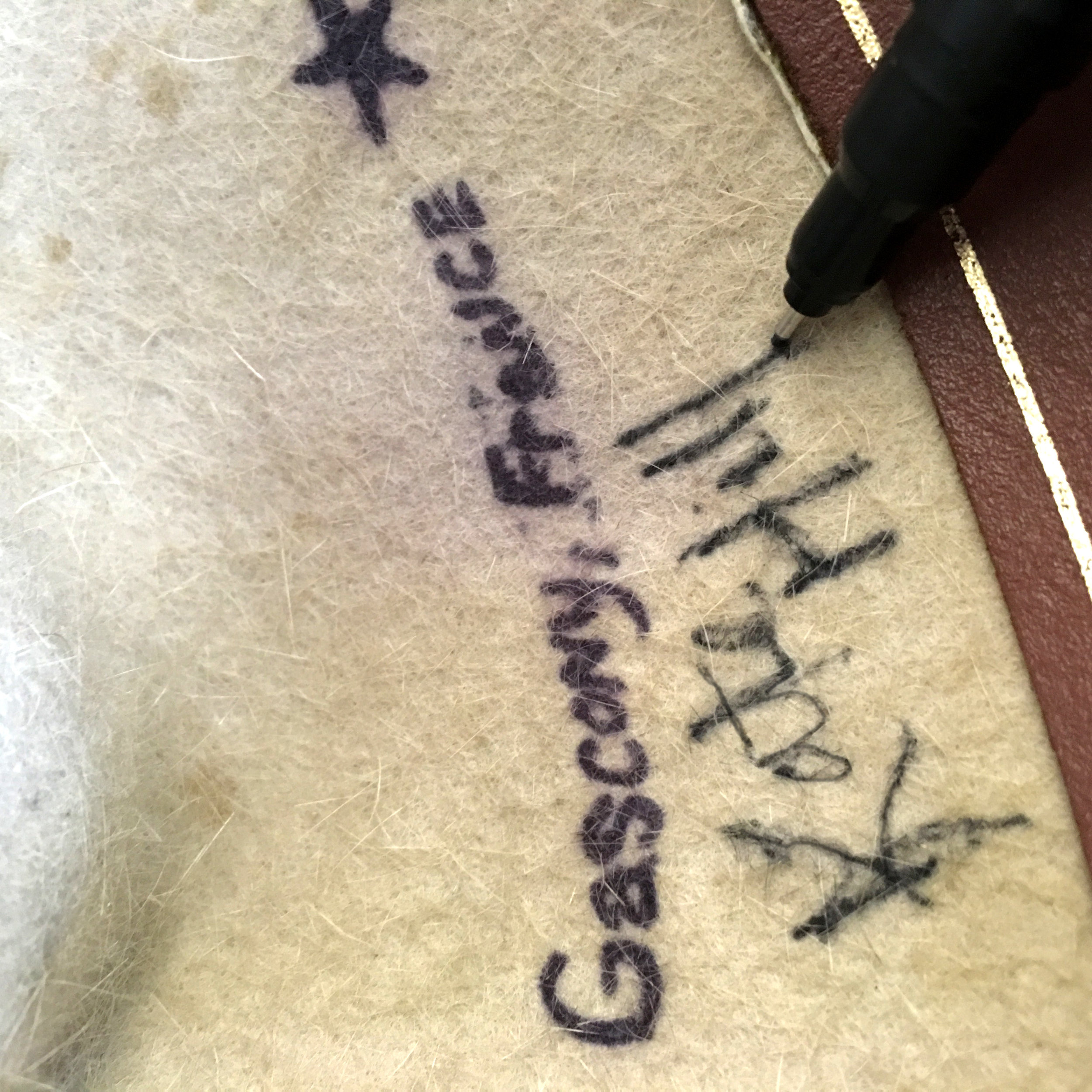
Keeping It Under My Hat
Last week marked one year since a TCU professor in an entrepreneurship class changed my life. That, plus a tiny tap from a sledgehammer wielded by the Big Guy upstairs is what finally got my attention and toppled my corporate career before it ever had a chance to start. Then and there, I determined to trade my Brooks Bros suit for a butcher’s apron and I promised myself I was going to be the best butcher I could be.
Not to sound haughty or arrogant, but if a guy is going to dream, he better dream big, right?
To be the best would mean I had to go back to square one to learn the craft. It meant tracking down the foremost butchers in the world and learning directly from them. Not only did I need to learn the lost art of butchery but also I needed to understand nose to tail philosophies, sustainable and humane practices, as well as the ubiquitous knife skills for primal and sub-primal cuts.
To keep myself focused and on track, I decided to keep my goals close to me. I wanted to look at them every day, especially on days when things weren’t going so well. I decided to list my goals and to keep them under my hat. Literally, inside my old Stetson, I have written:
- Brooklyn, New York( This represents Fleisher's Butcher School and the first leg of my journey)
- Gascony, France(The 2nd leg of my journey to study charcuterie with the masterful, Kate Hill)
- Panzano, Italy(An apprenticeship with 8th generation butcher, Dario Cechini - the rock star among butchers)
- Lima, Peru(An apprenticeship with Renzo Garibaldi – the Meat Prophet of Peru)
- Patagonia(To learn the art of outdoor, Argentinian cooking from one of the world’s great chefs, Francis Mallmann)

Then at the very center of the crown, I added an appropriate scripture for my journey:
It is written, “ Man shall not live on bread alone, but on every word from the mouth of God.

Perfect, don’t you think?
Endnote: I'm not certain if any or all of these masters will even take me on as an apprentice, but I'm going to give it a shot knowing God has everything under control. I've trusted Him this far and I know He's not going to leave me hanging out on a limb. My work is to be patient and trust in His timing.
I am so blessed to be able to follow my dreams, none of which would be possible without the loving support of my family, so please follow along here at rawrepublicmeats.com or through my Instagram or Facebook sites.
I don’t speak a word of French or Italian so I’m sure this might be interesting at best!
Photo credit: Mitchell Franz Photo
Let Them Eat Cake
Have you ever wondered how you get incredibly great tasting beef? Of course, the breed of the cattle and their diet is very important when it comes to taste, but how that animal was cared for throughout its life also plays a huge role. For instance, every steer contains a large amount of the glycogen (sugars) in its body. Once slaughtered, these vital glycogen molecules turn into lactic acid and cause the carcass to go into rigor mortis – thus tenderizing the meat and giving it great flavor. If a steer is stressed or injured prior to slaughter, the glycogen molecules are used up in extra activity. The absence of the lactic acid in the carcass causes an absence of tender and flavorful meat.
A great rancher once told me his cattle should have a comfortable and humane life, with only one rough day at the end. He said if he practiced good land stewardship and humane husbandry, his cattle would reward him with a quality harvest.
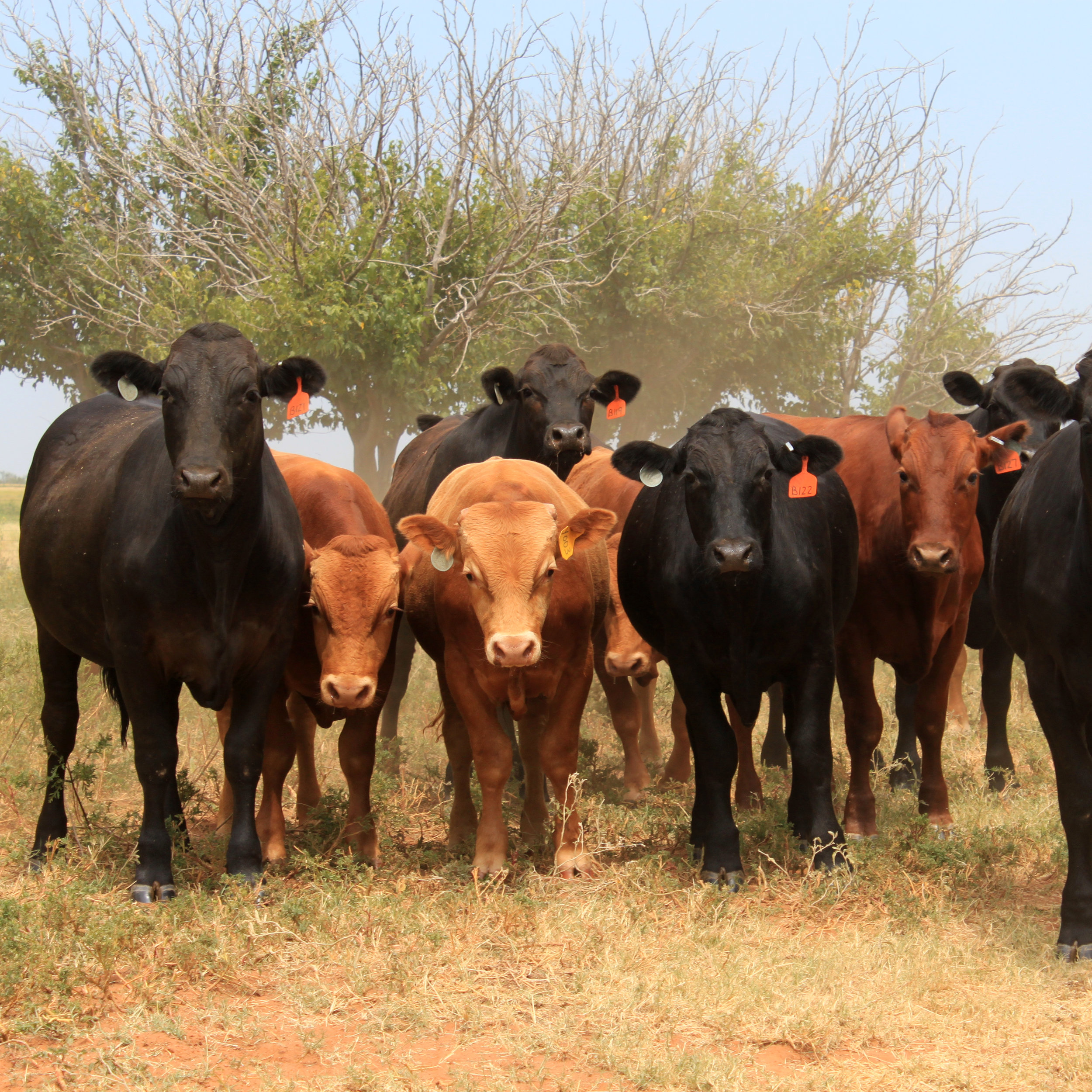
This same rancher showed me first hand what good husbandry looks like:
- Long and odd hours no matter the weather
- No days off - that includes holidays
- A great love and passion for animals
As you can see, ranching isn't a side job or hobby for this man. It's a lifestyle - his way of life. Every ounce of energy, sweat, and blood in this rancher's body is devoted to his herd. Even though his pastures are well suited for grazing with grass aplenty, he hand delivers cattle cake every Sunday just to make their lives all the sweeter.
This rancher is Mike Fuston of Turkey, Texas.
Where is that you ask?
Good question.
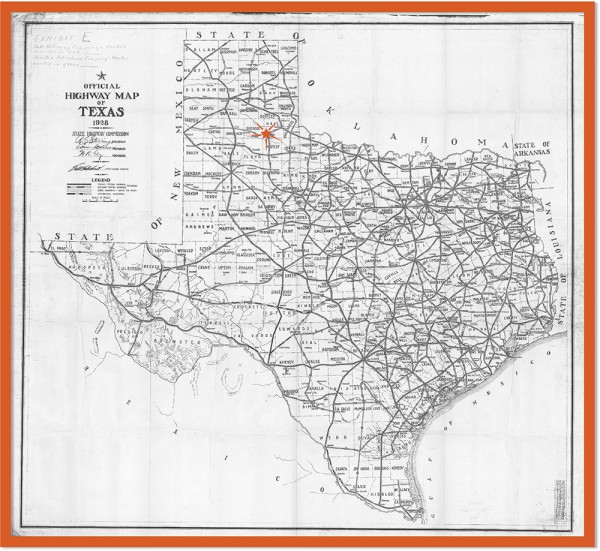
Turkey is a small town way up North in the Panhandle of Texas. I had never heard of it. To be honest, I'd never been to the Texas Panhandle. I was misled to believe that region of Texas was a vast and dusty, wasteland filled with wind turbines and tumbleweeds.
Not that appealing right?
Well, I can confirm that it is full of those two things, but it is no wasteland. I learned this myself when I was invited by my longtime friend, Lynita, to head up and check out a cattle operation she and her boyfriend, Mike, run.
I had only been in the meat industry for a few months working the floor at a slaughterhouse, but when Lynita mentioned Mike's pureblood Wagyu herd, I knew I had to see it and learn more. Since 2009, exportation of Waygu beef and genetics from Japan has been outlawed, leaving only a few pureblood herds outside of the small island nation. Most Wagyu here in the United States have been crossbred with domestic breeds to bring down the cost and provide a taste more similar to domestic beef.
Oh, and that restaurant that is selling you “Kobe beef?”
More like 'faux-be' beef.
Don't believe me? See what Forbes has to say on the subject.
So you see why I was so psyched to go see this operation?
I met up with Mike on the tail-end of his evening cattle patrol. We got acquainted while tending to his prized Herefords in the barn that sat on a small hill just beyond the house.
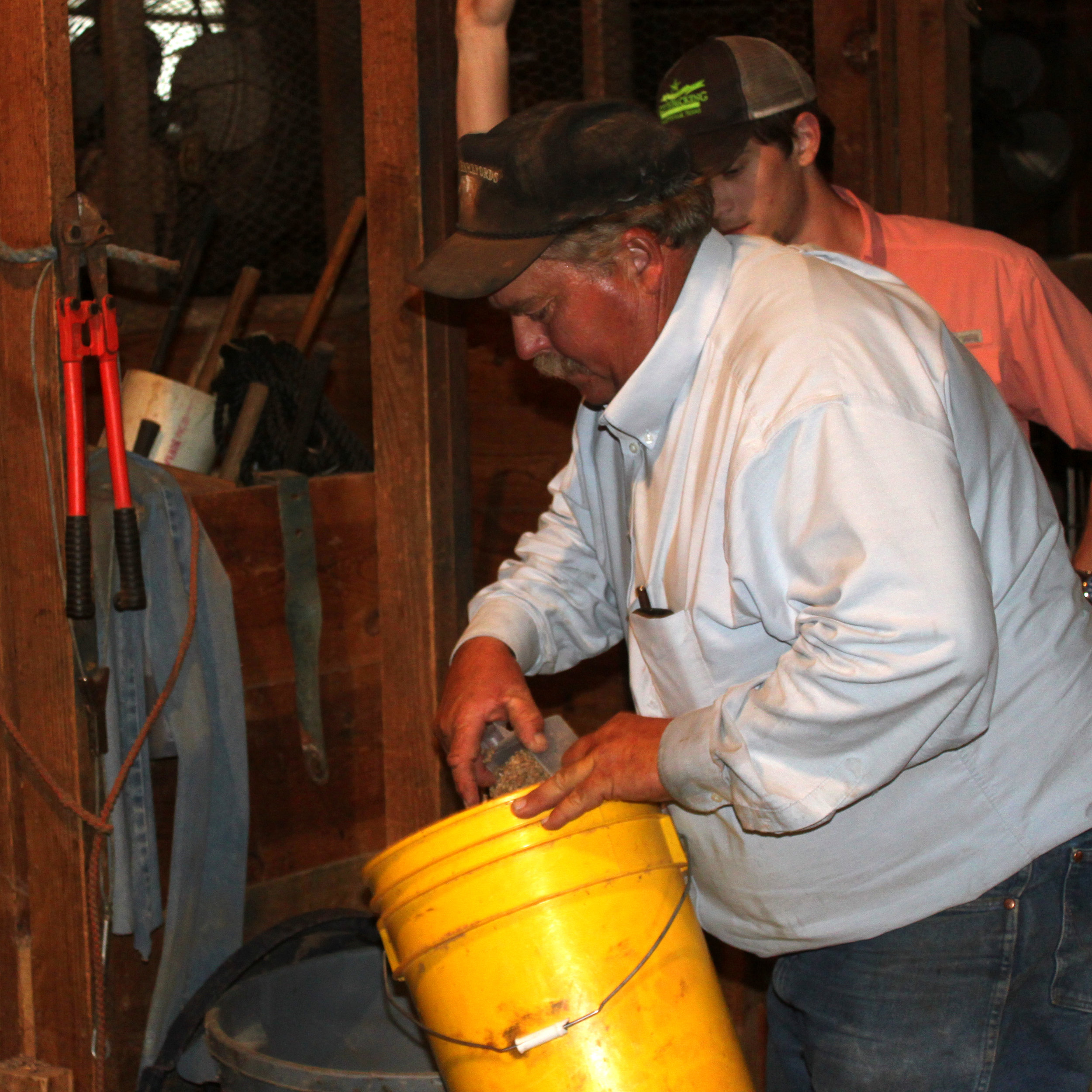
The barn was something to see. Countless show banners hung from the dusty rafters, each signifying a grand-champion from livestock shows in Texas, New Mexico, and Oklahoma.

Now let me digress just a bit here. Texas ranchers are pretty damn serious about their cattle breeds. They tend to stick with them, much like a college graduate and his favorite football team.
Truth be told, it is probably deeper than that.
Well, Mike's family has been raising Herefords for decades. They are dyed-in-the-wool Hereford guys, but what really makes Mike's choice of Hereford ironic is that Lynita's family is known for their decades-long, award-winning Angus…
How those two make their relationship work, I don't know!
Now back to my story.
After every animal had been tended to, we headed into one of the only restaurants in town to grab some grub for ourselves. Now the population of Turkey is just over 400, so Galvan's Restaurant was the place to be on Friday night. After dining on some Tex-Mexchiladas we wandered back to the house where Lynita, uncorked a bottle of wine and we all settled in for the evening.
...or so I thought.
Around 11:30, Mike rose from his old, worn recliner, which, by-the-way, Lynita hates, and went to bale hay.
Yep, bale hay.
In the middle of the night.
On a Friday.
Since the party was mid-way through our second bottle of wine, we opted to stay in and let Mike go it alone. I have no idea what time he returned, but I do know Mike was the first to rise the next morning. There he was at 6am checking on one of his herds.
Around mid-morning, Mike swung back by the house to pick up us slackers. After a short truck ride, we arrived at the tract of land where the pureblood Wagyu grazed. I was surprised how tame Mike's herd was. This level of calmness is only achieved with time and the best TLC.
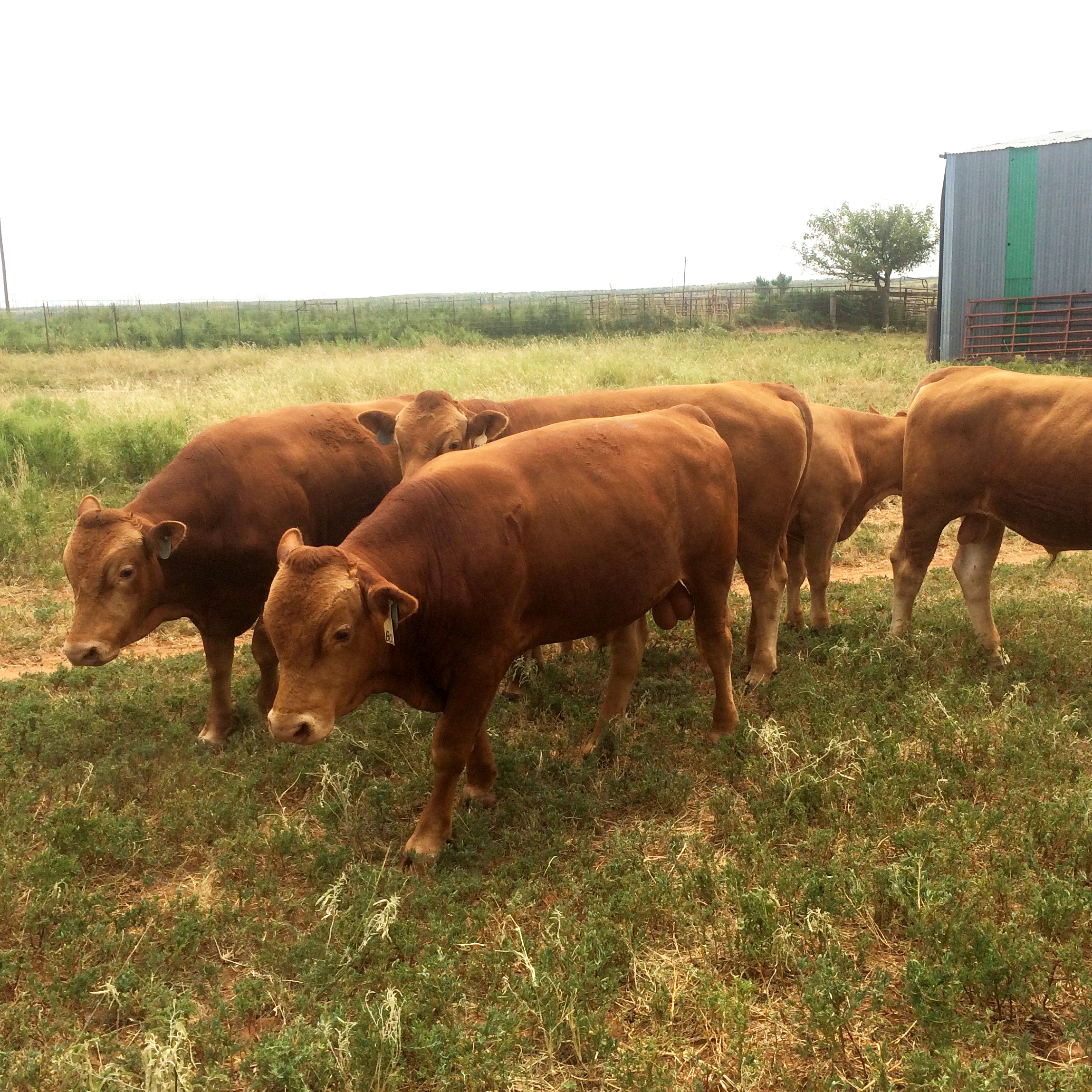
Mike said initially he faced some difficulty adapting this foreign breed to the Texas climate. To combat this, he began crossbreeding some of his pureblooded Wagyu with Angus cattle, a more adaptable breed of cattle suited to Texas heat.
If you have had Wagyu at a restaurant, chances are that it was, in fact, some domestic crossbred Wagyu.

Finally from there, we went to check on his Herefords at other locations. Mike cares for these animals in such a way that most of his cattle he knows by name. He can back that up with a short biography on each one too.
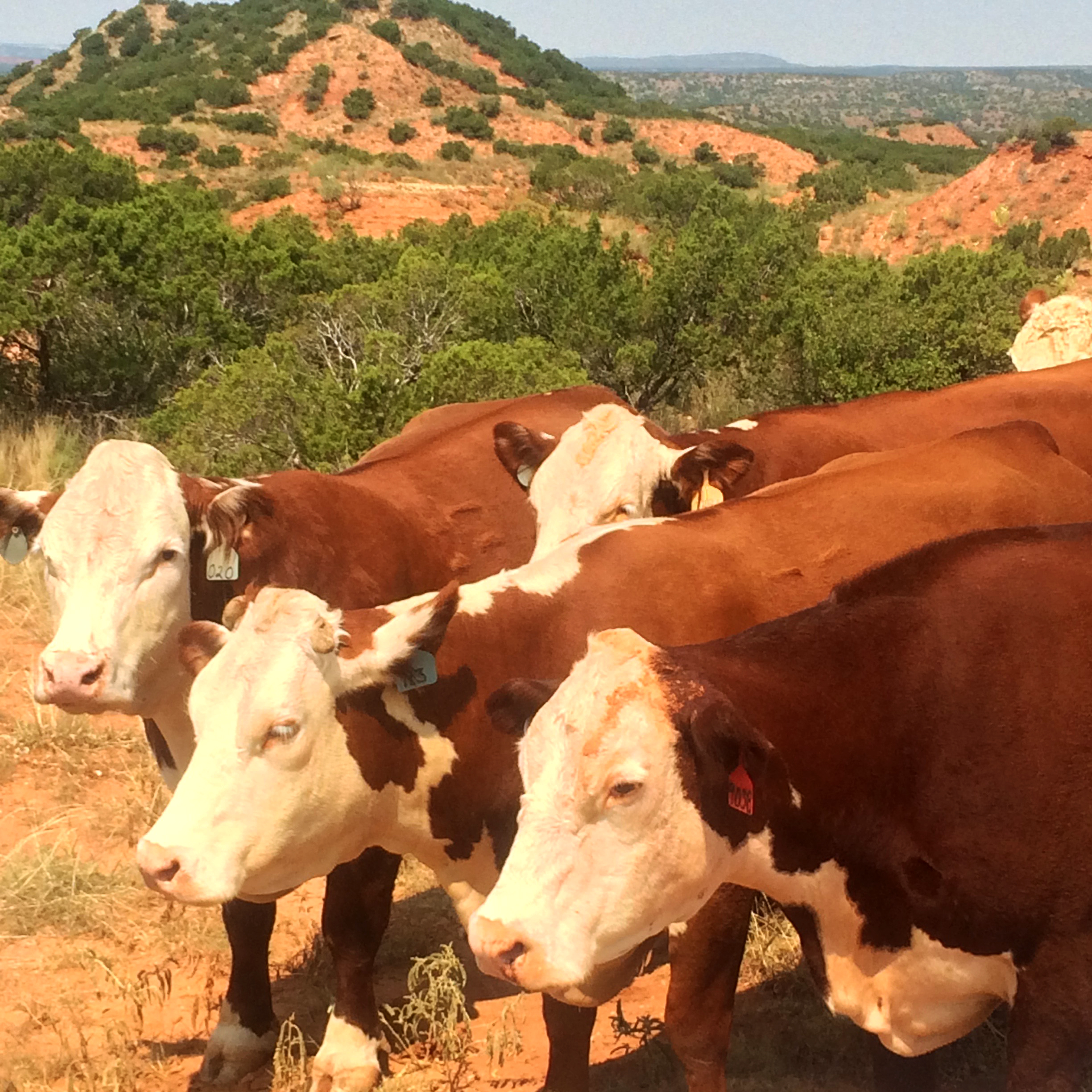
As we left, he made sure all was in order and we headed back to the house where I experienced my first Turkey Texas Throwdown. Mike brought out some pureblood Wagyu ribeyes, Lynita invited over some puckish neighbors, uncorked more wine and we feasted.

Pureblood Wagyu rib-eyes
Final Thoughts: I had a great time that weekend experiencing an entirely different kind of cattle operation. Mike runs an amazingly, humane outfit where each animal is truly cared for and cared about. As a craft butcher, I am in search of only the finest meats available. This was the kind of operation that produces such meat. The tender care and stress-free life provided by Mike will be evident in the final product - a meat with a sensational taste.


What impressed me about Mike, is he makes sure each steer has a comfortable life with only one rough day at the end – and that's the way it should be. Until then, they eat cake on Sundays.
A BIG THANK YOU goes out to Lynita and Mike for letting me visit their slice of paradise in Turkey, Texas. It was a wonderful weekend that I won’t soon forget.
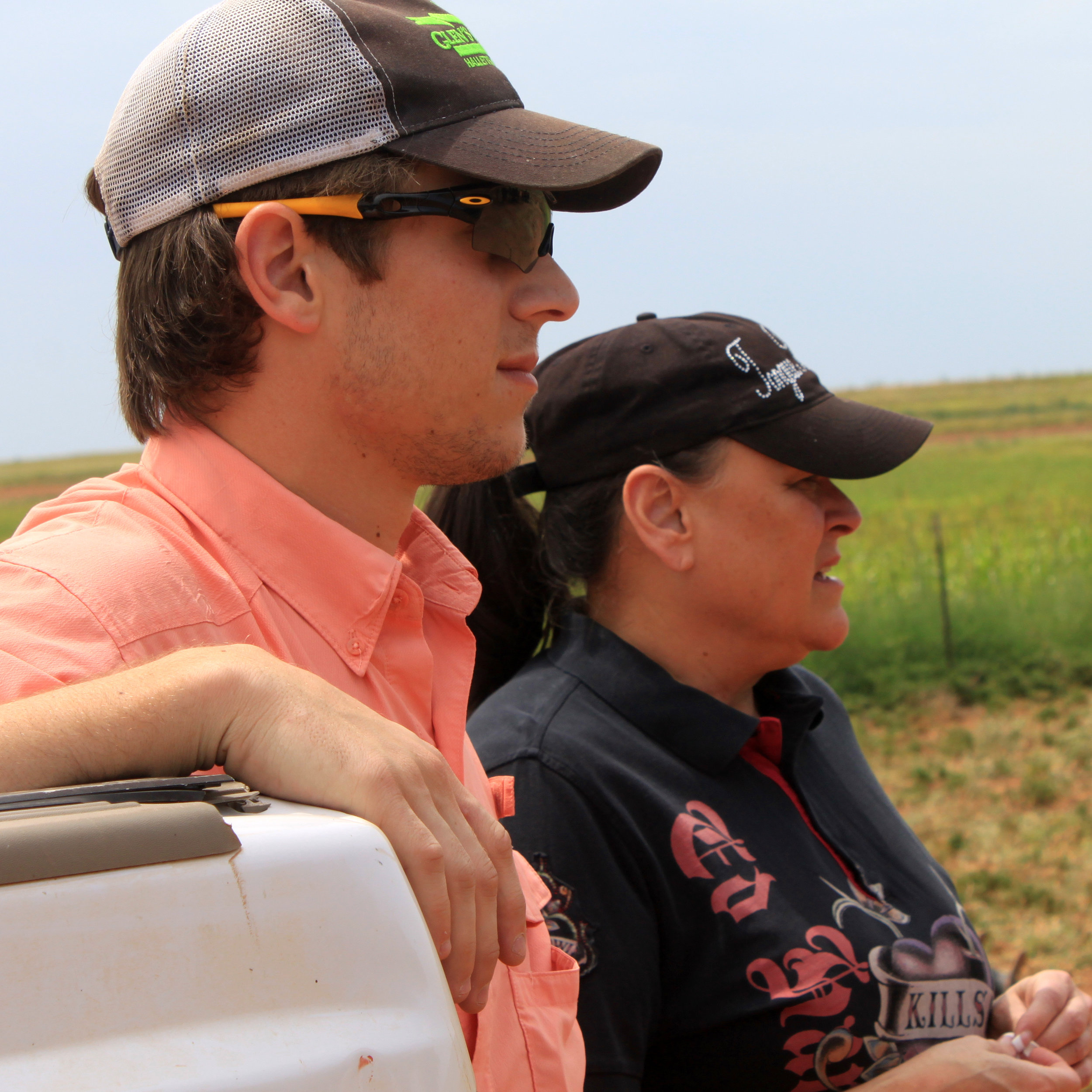
Another BIG THANK YOU goes out to my good friend, Mamie, for sharing Mike and Lynita. She was also a huge help to me when I first launched my blog. I don't know what I would have done without her wit and creativity.
Kolaches versus Klobasniky
I have a beef with “kolaches.” I feel confident to speak on the subject given my pedigree, so let me start by vetting myself:
- My last name is the Czech surname, Matusek. It is pronounced, "Muh-TU-sek”. Although it has been bastardized in the American vernacular, people from the old country and my kinfolks in Sweet Home, Texas still pronounce it “Mah-ta-SCHEK”.
- I am half Czech. My dad is full-blooded and was the first in the clan not to marry a second cousin or a neighboring Czech farm girl.
- My grandmother’s generation grew up speaking Czech as their first language in the home. She made sure some of the old language passed on to her grandkids. Sadly, I have forgotten just about all of it except the curse words.
- I went to high school in Shiner, Texas. Founded by Czech immigrants, this mostly-Czech community is known for its Spoetzl Brewery which cranks out the famous Shiner Bock.
- My high school fight song was the Shiner Polka. Sung in Czech, it reminisces about sunny Shiner, Texas and empty kegs of beer. Yes, our fight song was about pounding brewskies.
Now that I have validated my lineage, let’s get back to my beef.
If you find a good bakery or donut shop in South Texas, chances are you will find some Czech sweet treats known as “kolaches.” A true kolac is a circular, pillow-like, puff pastry with a small dimple in the middle, occupied by a fruit compote or sweet cheese filling.
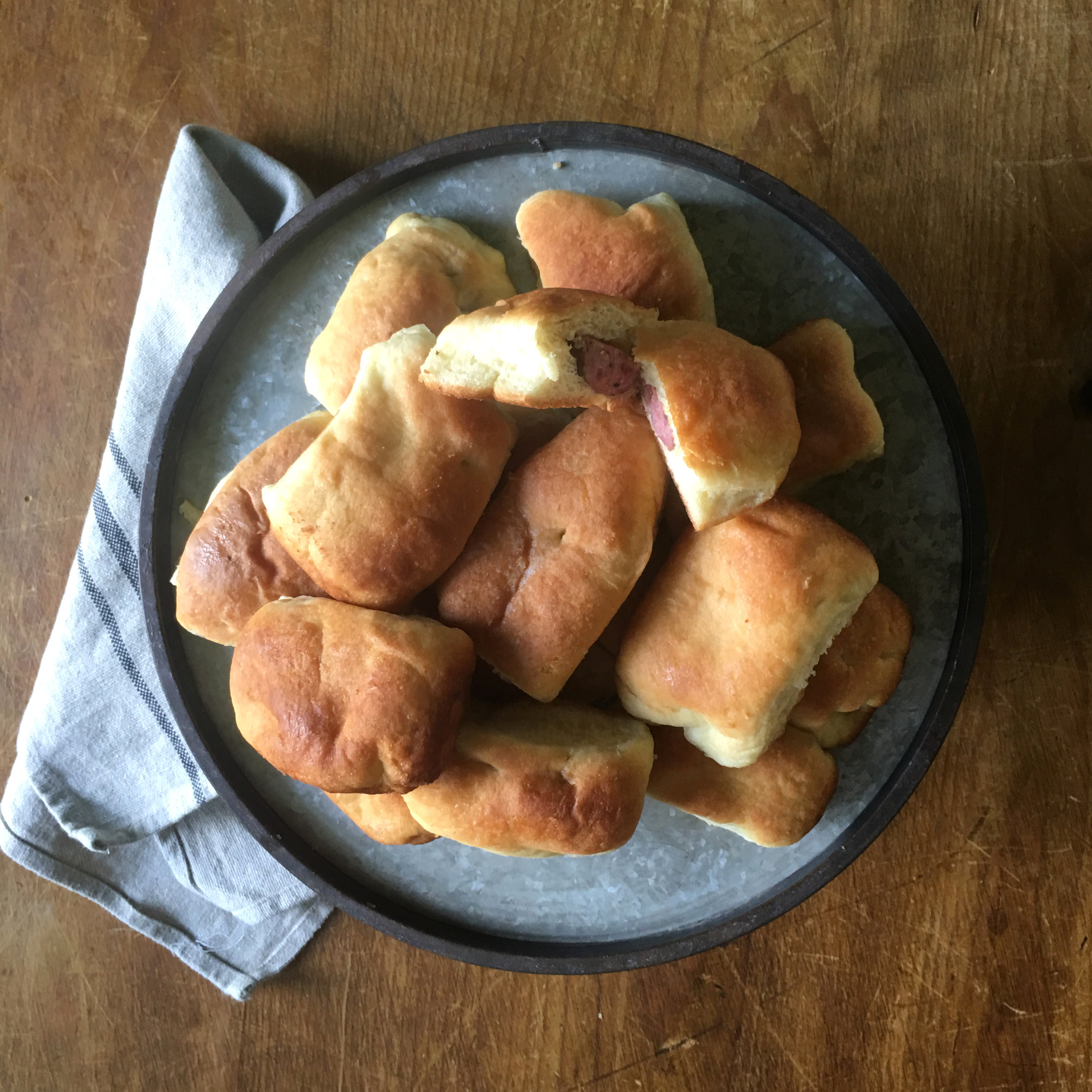
Now, next to those oh-so-delicious kolaches in this Texas bakery, you might find some sausage rolls (aka pig-in-the-blankets). These treats are “klobasniky”. They come from a similar yeast-based dough as a kolac(singular form of kolaches) yet have sausage inside.
THESE ARE NOT KOLACHES.
I don’t care what the gal working the donut counter labels them. She’s wrong and you should tell her. Or better yet, refer her to this post. Just remember, if the pastry has meat, it is a klobasnek. If it has fruit or a sweet cheese filling, it is a kolac.
Would you call a scone a biscuit?
Or a crepe a pancake?
No, you wouldn’t. Now it is high time for everyone to culture-up and learn about Czech pastries.
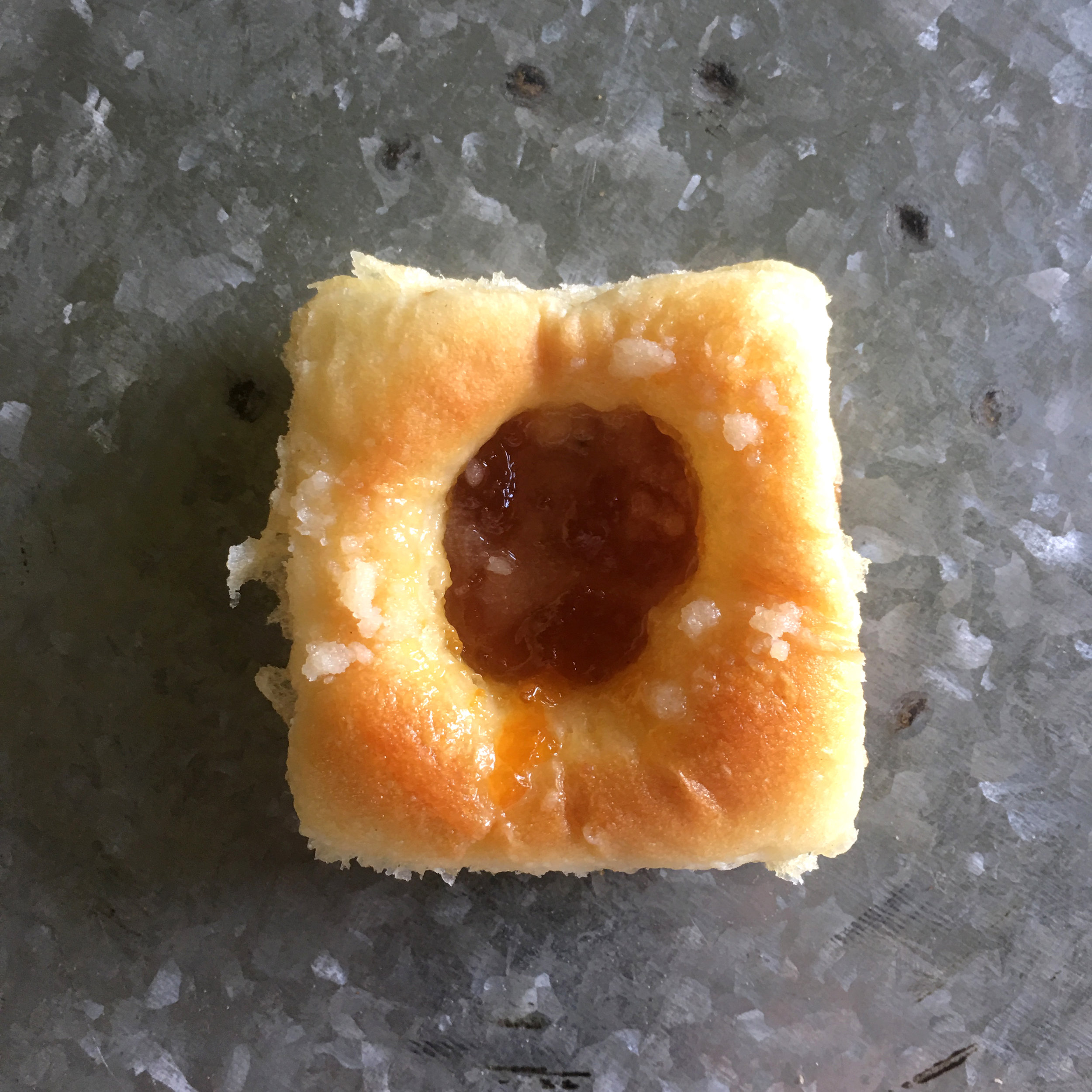
Kolache
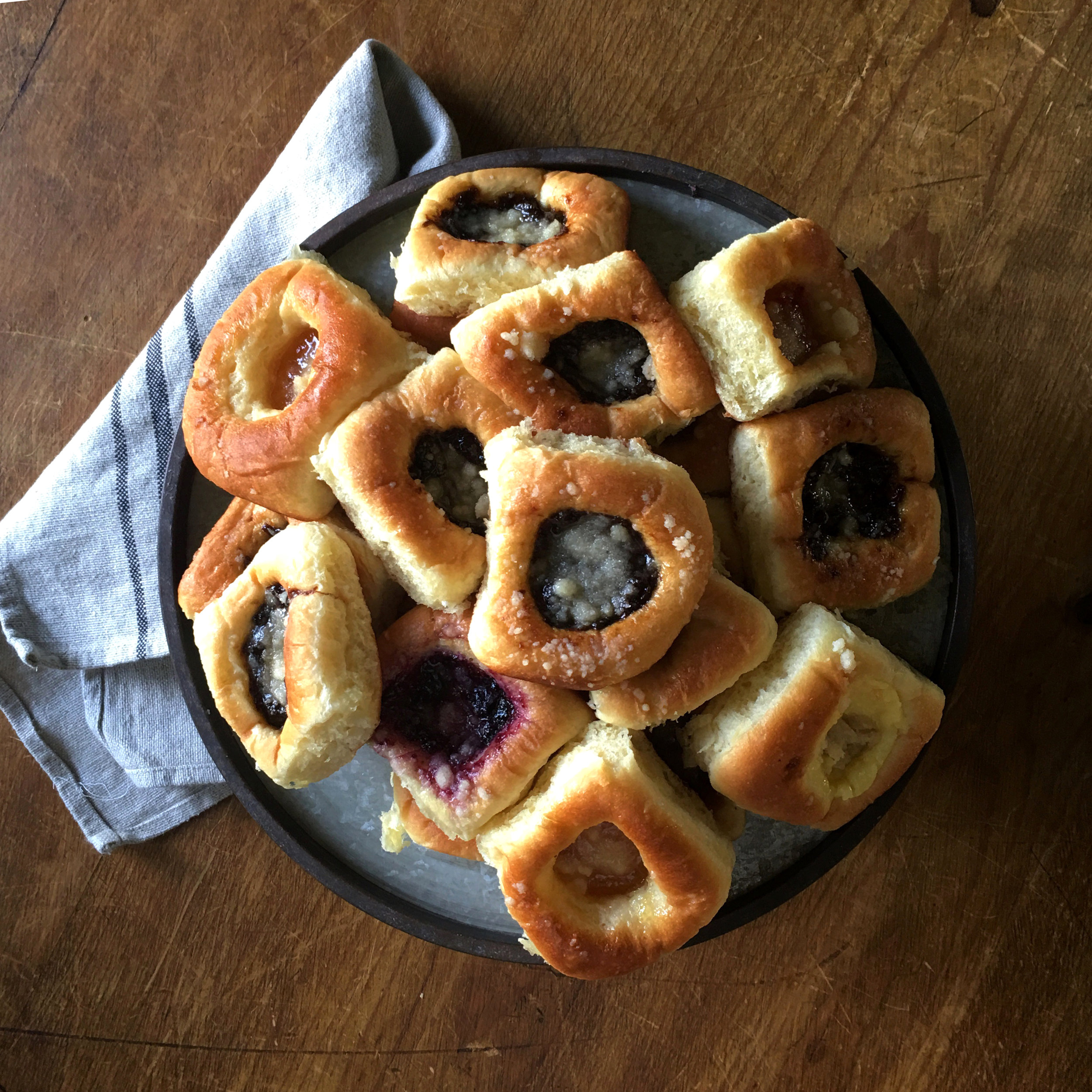
Kolaches
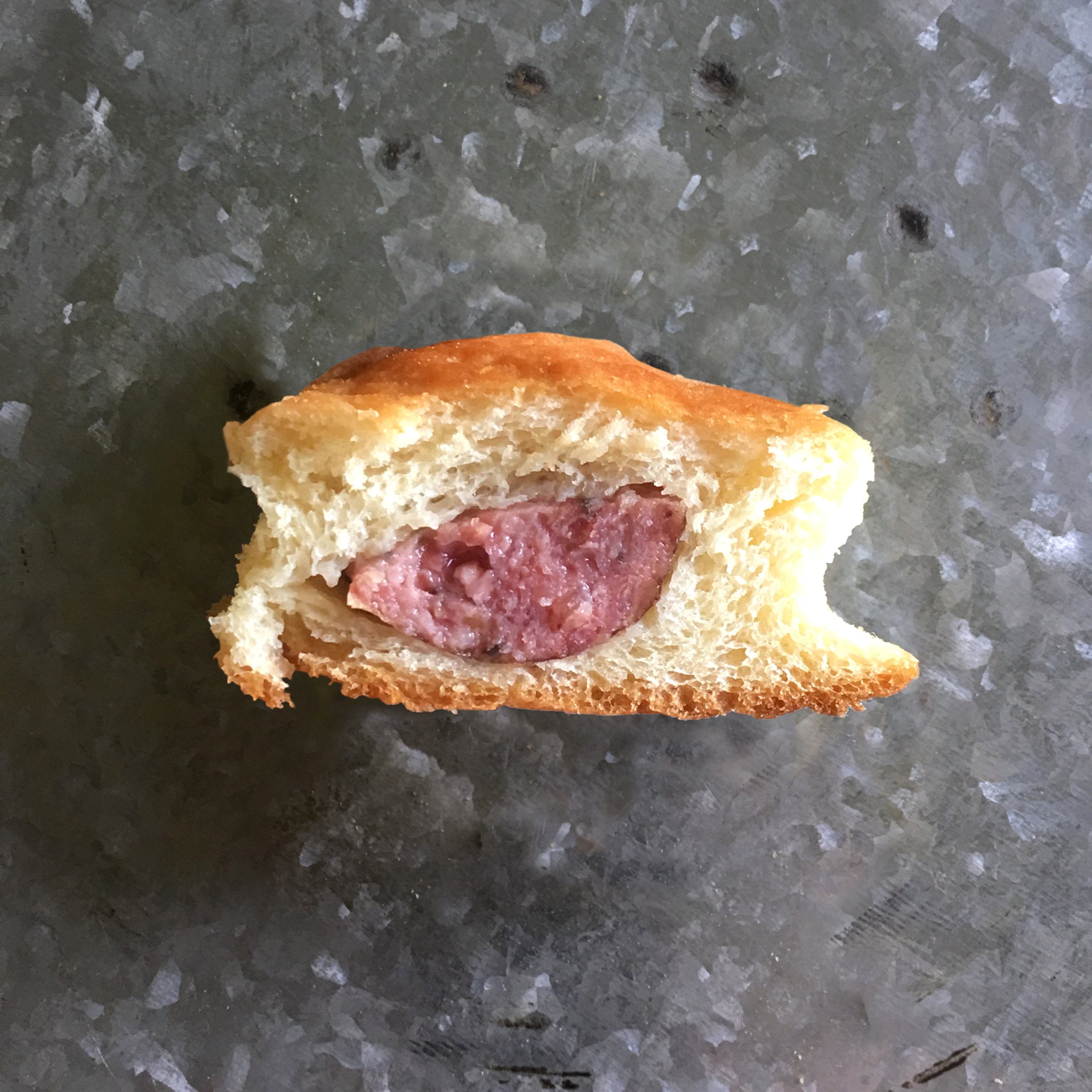
Klobasnek
If you are looking for the best place to find authentic Czech kolaches and klobasniky, find a place that can answer the question,
"Jak se mas? (how are you doing in Czech.)
Chances are, they will respond,
“Dobre",
meaning "good" and I’d assume the food would be too.
My recommendation: My Aunt Mag makes the best kolaches and klobasniky, but if you are not in Sweet Home then run on over to Kountry Bakery in Hallettsville, Texas. Even though their menu states, “sausage kolaches,” I’m hoping they just conformed for outsiders.
Finally, a huge shout out to my great-aunt Mag who took the time to pass down the famous, Janak family kolache recipe. Be sure to see my next post where she patiently teaches me step by step.
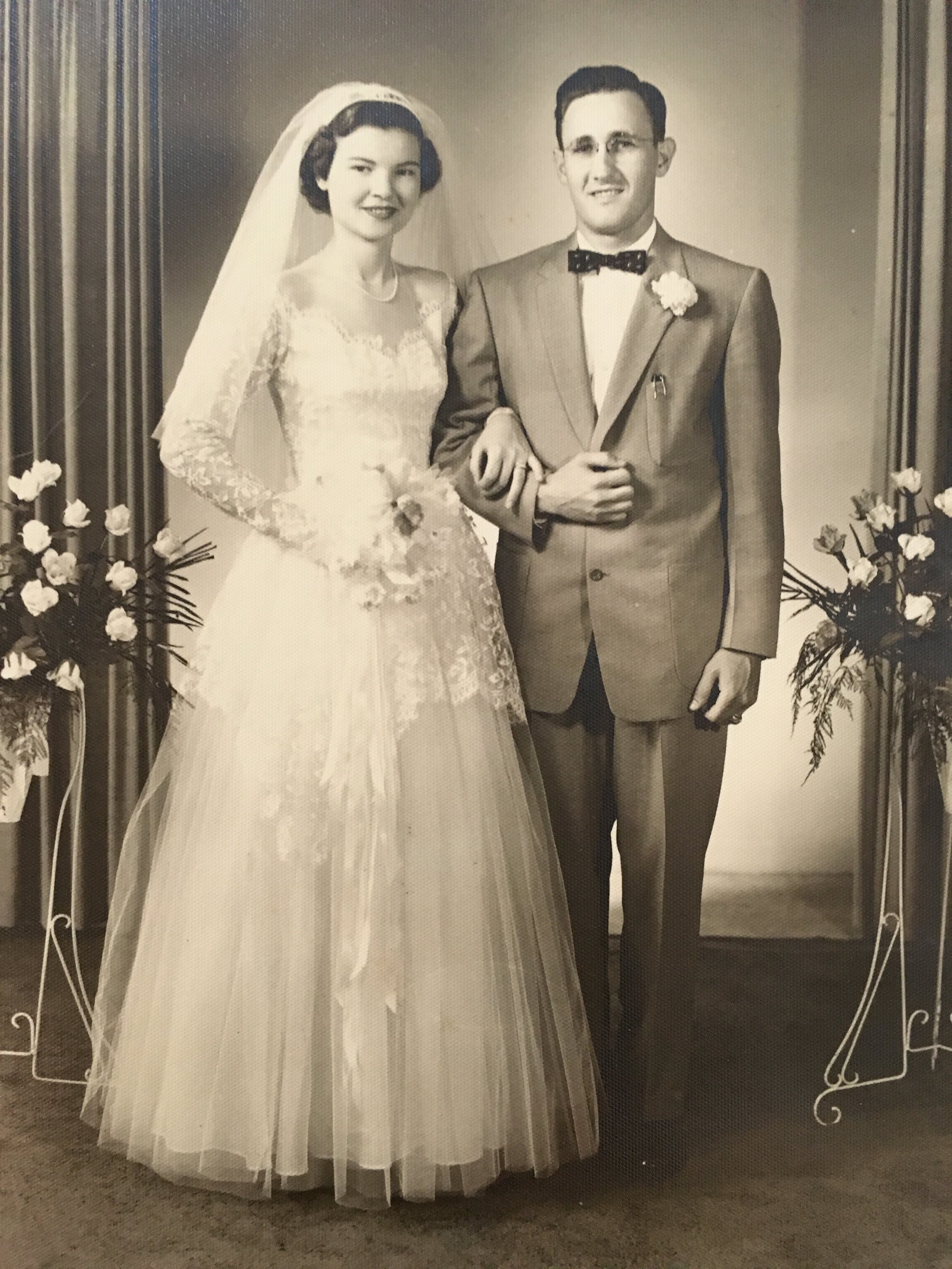
...and a second shout out to my Aunt Cynthia for digging up old photos of my grandparents, Marvin and Genevieve Matusek. Nana Gene seemingly always had a fresh batch of kolaches and she supervised some of my first experiments in the kitchen. I am so thankful for the memories I have with both of them.
Spi sladce (sleep sweetly)

The Queue for some sweet 'Cue

My first knowledge of Franklin Barbecue came from Daniel Vaughn’s book, “The Prophets of Smoked Meat.” He tells of the ubiquitous three-hour wait as a precondition to savoring the legendary BBQ. Over the next few months, the Franklin Barbecue name kept popping up in conversation, especially once I got up to New York. Many foodies on the East coast had heard the tale of the barbecue megastar that started in a simple trailer in Austin, Texas, yet I lived right down the road and hadn’t heard of it. It’s shameful, I know, but I cut my teeth on classic Texas BBQ at the nearby joints in Lockhart and Luling. Franklin’s just wasn’t on my radar yet.
Yet.
Aaron Franklin’s smoked meat has been drawing crowds since 2009 when he started slinging barbecue goodness out of a trailer. Word spread like wildfire and his brisket became legend – so good in fact that he has sold out EVERY day since he opened his brick and mortar just south of the Texas State Capitol. Daily, there is at least a two-hour wait – no exceptions. Well, unless you’re the President of the United States and in that case, you and your Secret Service agents can cut the line right to the front. For everybody else, including Kanye West, you gotta stand in line and do the time.
I arrived at 9:20 in the morning – late by Franklin’s standard. Luckily, I was meeting up with an old high school buddy who had arrived at 8:30 and had been posted up in line for nearly an hour. I carefully scanned the crowd for Devin and spotted him camped out in two, UT burnt-orange, folding chairs. Devin is a seasoned Franklin Barbecue vet, hence the two folding chairs, so clutch in a situation where one must wait in line for hours at a time. He even brought his lab, Cinder, to keep us company.

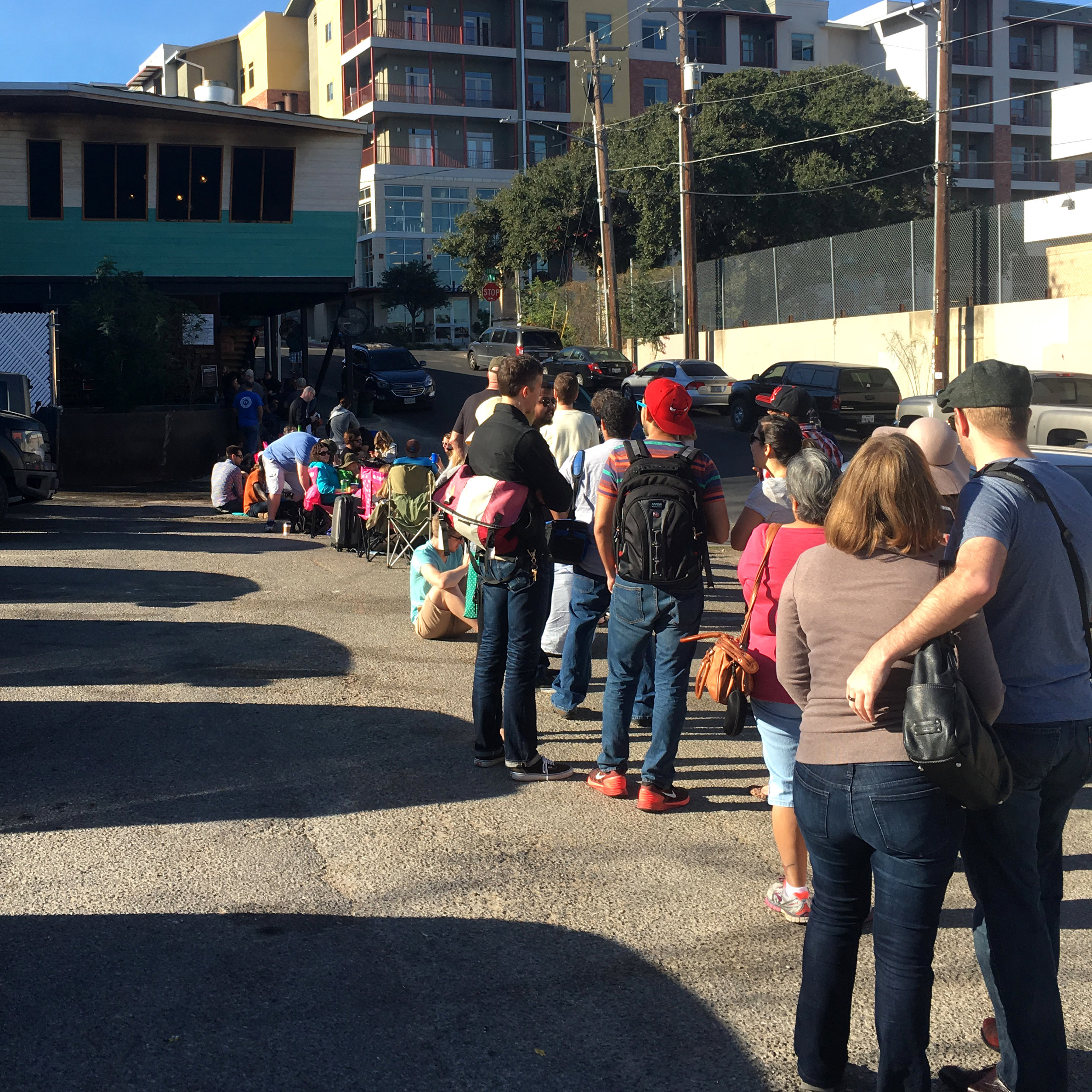
At the back of the line.
We had secured a nice spot, a mere 80 bodies between the door and us. As Devin and I chatted and caught up, the line began to slowly grow until it curled into the street. It was a Tuesday morning, yet there were a solid two hundred people waiting to partake in some of the most notorious barbecue in the country.

The doors finally opened at 11:00 am and the first few customers came spilling out with their arms loaded down with pre-orders. They duly received their fair share of mean looks from those of us praying there was plenty more. Luckily within another thirty minutes I was finally in the front door.
Well, let me tell you, that, was pure torture of another kind. I could now smell the deliciousness, but it was still out of reach. Another thirty-minute line lay before me, only this time, I was given a front row seat to watch other customers devour inhale their mounds of the legendary Franklin meat.
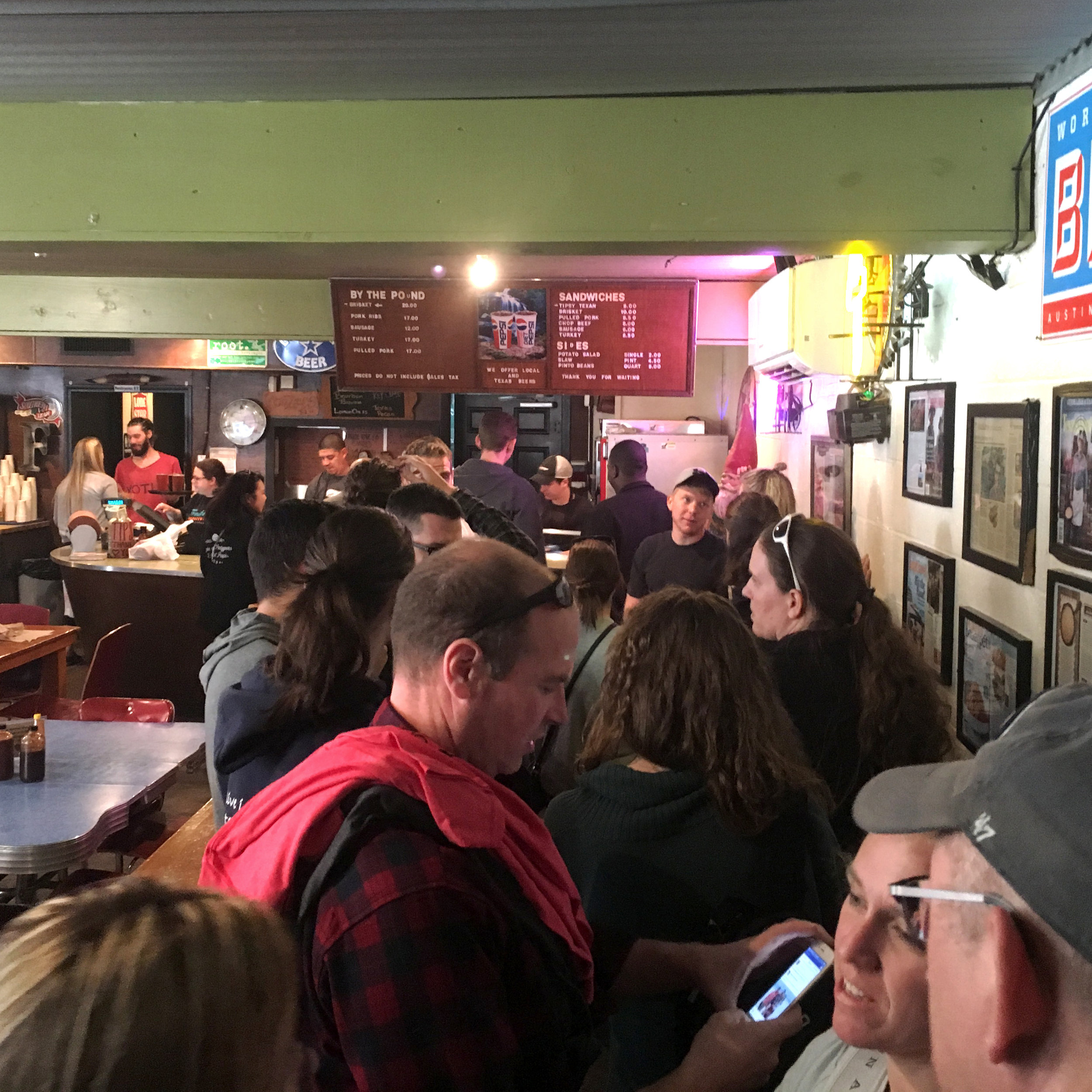
A look at the line once you make it inside Franklin's.
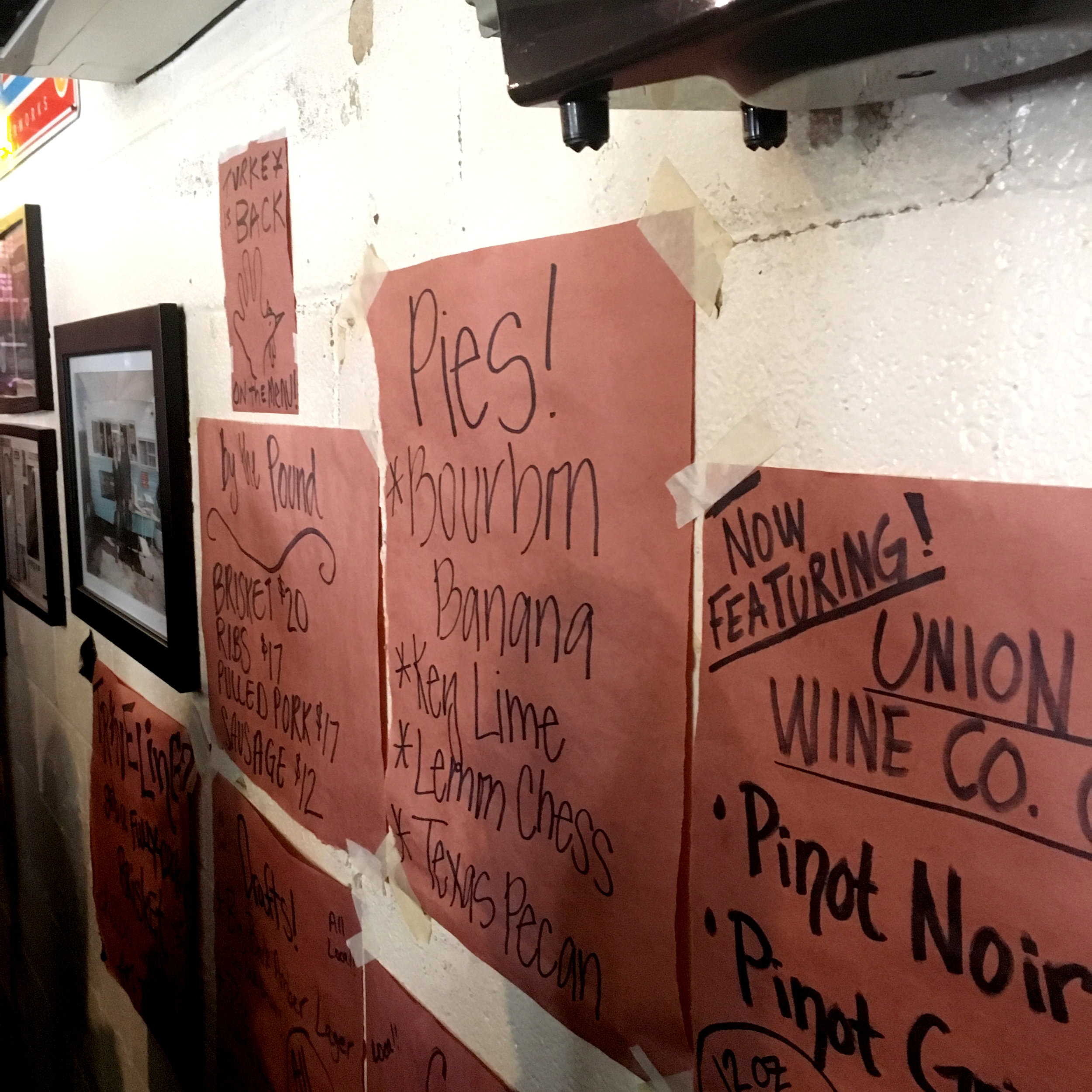
The menu is on the wall.
Finally when I arrived at the counter, I ordered some of everything.
Yeah, my eyes were bigger than my stomach but heck, I had just waited two hours and I wasn’t going to let something slip by me now.

I sampled a pound of brisket, a half-pound of sausage, and a half-pound of pulled pork. I accompanied this blowout with a side of coleslaw and a serving of potato salad. Devin slipped me one of his ribs for the final round out and after a quick photography session and a prayer, we dug in.

MY OPINION: Franklin Barbecue knocks it out of the park – it lives up to its reputation and all of the hype. Everything on the menu is amazing. The Franklin Brisket probably gets the most notoriety and rightfully so – its damn good. Melt in your mouth – good.
MY SUGGESTION: Don’t be deterred by the long lines and infamous wait, get your tail down to Franklin’s the next chance you get. Just about everyone is enjoying a libation of some sort and the Franklin staff sells a great selection of local Austin beers. My advice is to bring a folding chair, grab one of those Austin Beerworks Fire Eagles, and get to know your neighbors. It was worth the wait.
HERE’S WHAT YOU NEED TO KNOW:
- Bon Appetite, Texas Monthly, and Anthony Bourdain all sing Aaron Franklin’s praises, cause Aaron Franklin is the man.
- Aaron was awarded a James Beard Foundation award for best chef in the Southwest region.
- Located at 900 E. 11th Street, Austin Texas
- Closed on Mondays
- Opens at 11 am and closes when sold out
- Get in line around 8:30 am
- Bring a folding chair, cooler, and a friend or better yet, make a new one in line.
- Pick up a copy of Aaron’s book and if you’re lucky have him sign it.
If you feel I have been living under a rock and have missed another good place to eat, let me know because I love checking out new eats.
-
May 2022
- May 24, 2022 The Hand House May 24, 2022
-
May 2018
- May 16, 2018 Texas, Arizona, and Peru May 16, 2018
-
March 2018
- Mar 6, 2018 Bucket List Mar 6, 2018
-
February 2018
- Feb 19, 2018 OSSO Feb 19, 2018
- Feb 7, 2018 Pass the Cheese, Please. Feb 7, 2018
-
January 2018
- Jan 7, 2018 The Unofficial World Hot Dog Championship Jan 7, 2018
- Jan 2, 2018 Haven Festival Jan 2, 2018
-
November 2017
- Nov 20, 2017 We Are What We Eat Nov 20, 2017
- Nov 1, 2017 License to Kill - a Way of Art Nov 1, 2017
-
October 2017
- Oct 21, 2017 Fleischer-Handwerk Oct 21, 2017
- Oct 18, 2017 Mad Food with Mads Cortsen Oct 18, 2017
-
August 2017
- Aug 14, 2017 Roskilde Festival Aug 14, 2017
- Aug 2, 2017 The Proof That Even Slaughterers Can Become Pop Stars Today Aug 2, 2017
-
June 2017
- Jun 6, 2017 Where to Find Pig Ear Terrines, Spicy Nduja and Other Adventurous Charcuterie in Dallas Jun 6, 2017
- Jun 5, 2017 Cochon555 Houston Jun 5, 2017
-
May 2017
- May 23, 2017 Charcuterie Masters 2017 May 23, 2017
- May 18, 2017 Dirty Steaks May 18, 2017
- May 16, 2017 Dîner en Blanc May 16, 2017
- May 10, 2017 Steensgaard May 10, 2017
-
April 2017
- Apr 4, 2017 Gascon Fricandeaux Apr 4, 2017
- Apr 3, 2017 American Kid Apr 3, 2017
-
March 2017
- Mar 27, 2017 Folkets Madhus Mar 27, 2017
- Mar 23, 2017 Another Open Door Mar 23, 2017
- Mar 13, 2017 Yoakum Man Learns Old World Butchery Mar 13, 2017
-
February 2017
- Feb 20, 2017 Great Day Houston Feb 20, 2017
-
December 2016
- Dec 4, 2016 Creating the Manifesto Dec 4, 2016
- Dec 4, 2016 Meating Fellow Revolutionaries Dec 4, 2016
- Dec 4, 2016 The Butchers' Manifesto Origins Dec 4, 2016
-
November 2016
- Nov 10, 2016 The Sausage Man Never Sleeps Nov 10, 2016
-
October 2016
- Oct 19, 2016 Road Trippin' Across Europe Oct 19, 2016
- Oct 2, 2016 Vide Greniers: the French Garage Sale Oct 2, 2016
-
September 2016
- Sep 20, 2016 Je N'ai Plus Faim Sep 20, 2016
- Sep 13, 2016 Noix de Jambon Sep 13, 2016
-
August 2016
- Aug 28, 2016 The Chapolard Family of Gascony Aug 28, 2016
- Aug 7, 2016 The Cowboy, the Expat, and the Englishman Aug 7, 2016
-
July 2016
- Jul 31, 2016 France - Right Where I Need to Be Jul 31, 2016
- Jul 25, 2016 Fambam in Italy Jul 25, 2016
- Jul 11, 2016 Red is His Signature Color Jul 11, 2016
- Jul 4, 2016 Doin' It Like Dario Jul 4, 2016
-
June 2016
- Jun 19, 2016 Trouble in Paradise Jun 19, 2016
- Jun 8, 2016 Tex-Mex Night in Italy Jun 8, 2016
-
May 2016
- May 29, 2016 The King of Beef Does Porchetta May 29, 2016
- May 12, 2016 It's a Long Way to the Top May 12, 2016
- May 10, 2016 Viva La Cicca! May 10, 2016
- May 1, 2016 It’s Crazy What Can Happen in a Year May 1, 2016
-
April 2016
- Apr 26, 2016 The Kitchen at Camont and the Art of Charcuterie Apr 26, 2016
- Apr 12, 2016 Keeping It Under My Hat Apr 12, 2016
- Apr 3, 2016 Let Them Eat Cake Apr 3, 2016
-
March 2016
- Mar 22, 2016 Kolaches versus Klobasniky Mar 22, 2016
- Mar 3, 2016 The Queue for some sweet 'Cue Mar 3, 2016
-
February 2016
- Feb 21, 2016 POS Meat Grinders Feb 21, 2016
-
January 2016
- Jan 21, 2016 Earth Oven Tragedy Jan 21, 2016
- Jan 17, 2016 This ‘ol Gal is Smoking Hot Jan 17, 2016
- Jan 12, 2016 The Gringo and la Reina Tamal Jan 12, 2016
- Jan 7, 2016 Packin' Pork Jan 7, 2016
-
December 2015
- Dec 23, 2015 Empire State of Mind Dec 23, 2015
- Dec 10, 2015 Meat Monger Dec 10, 2015
-
November 2015
- Nov 23, 2015 Jerky Game Strong Nov 23, 2015
- Nov 11, 2015 Breaking Lamb Nov 11, 2015
- Nov 1, 2015 Breaking Pork Nov 1, 2015
-
October 2015
- Oct 26, 2015 Like Cocaine in the '80's Oct 26, 2015
- Oct 21, 2015 Fleishers Craft Butchery: Day 1 Oct 21, 2015
- Oct 11, 2015 Year of the Cow Oct 11, 2015
- Oct 4, 2015 13th Step to Manhattan Oct 4, 2015
-
September 2015
- Sep 27, 2015 Brooklyn Cowboy Sep 27, 2015
- Sep 27, 2015 Vaya con Dios Sep 27, 2015
- Sep 14, 2015 Mystic Goat Roper Sep 14, 2015
- Sep 10, 2015 Green-hand Gringo Sep 10, 2015
- Sep 10, 2015 Shell Station Burgers Sep 10, 2015
- Sep 10, 2015 Butter 'Em Up Sep 10, 2015
- Sep 10, 2015 Why The Hell Not? Sep 10, 2015